
Sennecey Tower Castle
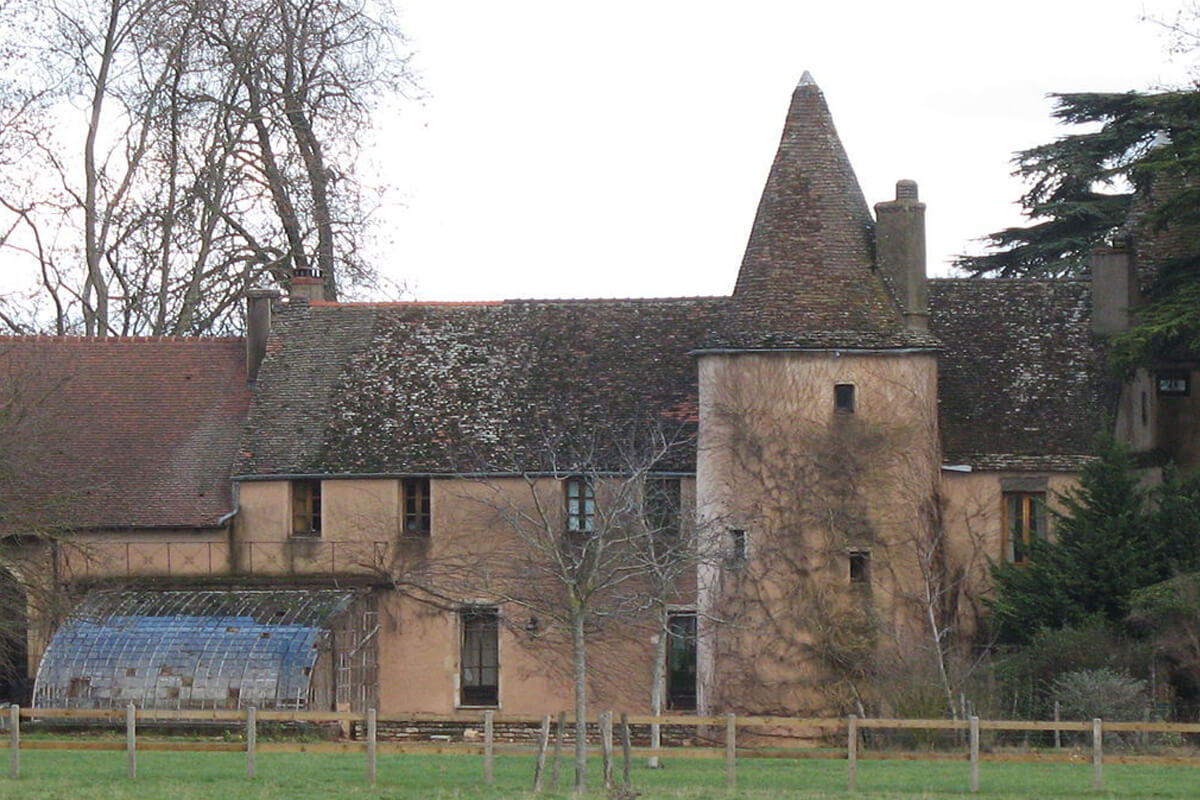
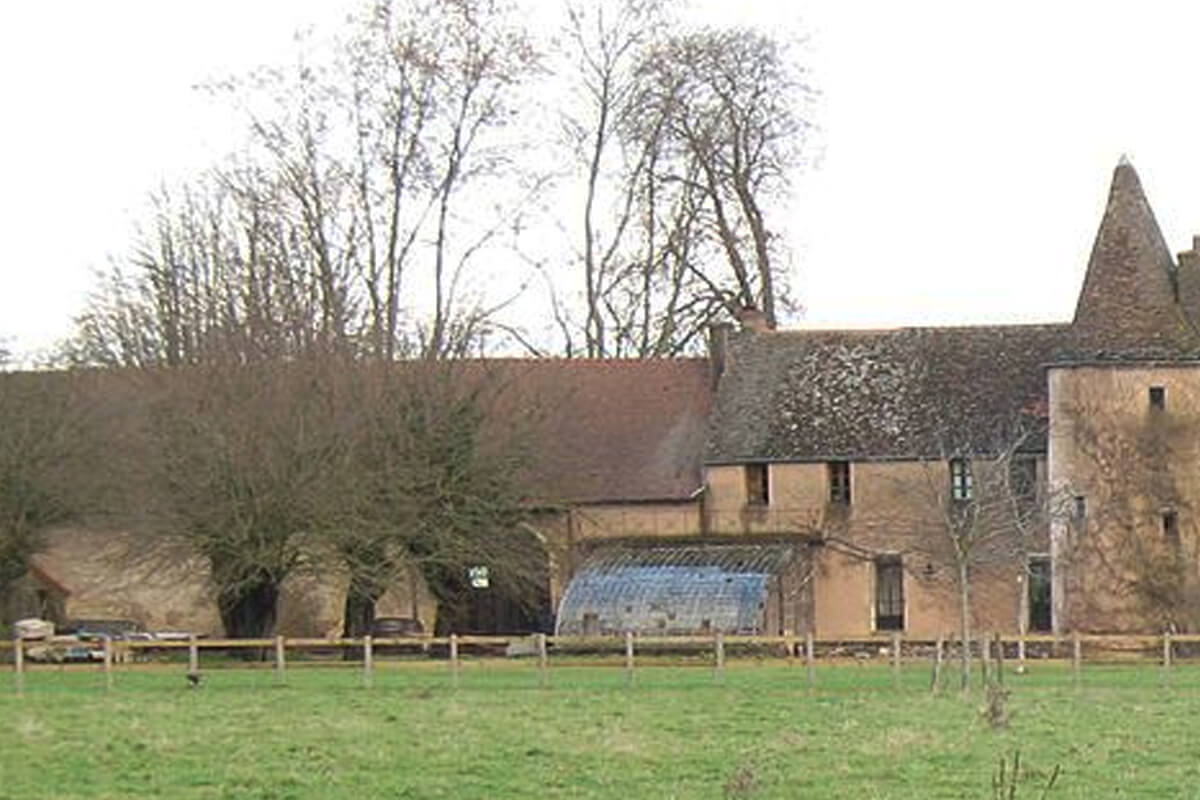
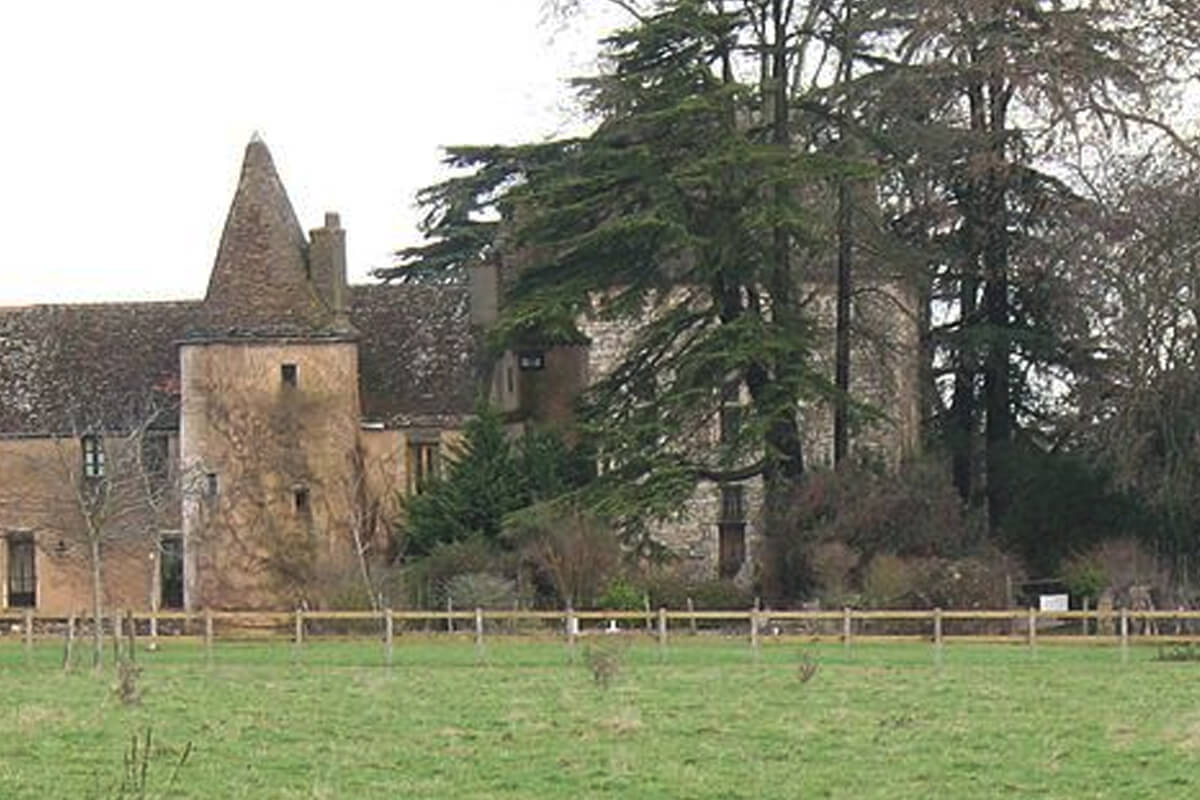
Sennecey Tower Castle is a historic fortified manor house in Sennecey-le-Grand. Its core building — built around two 15th-century towers — flanks a courtyard. Although privately owned and not open to the public, this château remains a visible marker of the region’s medieval and early-modern noble heritage.
Situated in the commune of Sennecey-le-Grand (Saône-et-Loire, Bourgogne-Franche-Comté), Sennecey Tower Castle originally stood as a fortified manor, with a main residence and two 15th-century defensive towers.
Over centuries, the castle lost much of its defensive function: fortifications were reduced and the site transformed more into a noble residence rather than a fortress. Today much of the structure remains — the towers and main body — though it remains private and not accessible to ordinary visitors.
Sennecey Tower Castle thus offers a living example of how medieval fortification evolved into early-modern noble dwellings in the Burgundy region.
Gallery of Sennecey Tower Castle
Geographical location of Sennecey Tower Castle
Ruffey Castle
Ruffey Castle is located in the hamlet of Ruffey, in the commune of Sennecey-le-Grand. It was built between the 12th and 13th centuries. As a private property, the castle has been listed as a historical monument since 9-12-1946. Having changed hands several times, its most recent owners have restored it to its former glory and shared its history on the website: https://château-de-ruffey.fr
Sennecey Tower Castle
Sennecey Tower Castle is a historic fortified manor house in Sennecey-le-Grand. Its core building — built around two 15th-century towers — flanks a courtyard. Although privately owned and not open to the public, this château remains a visible marker of the region’s medieval and early-modern noble heritage.
Sennecey-le-Grand Castle
Sennecey-le-Grand Castle was founded as a defensive castle and damaged during regional wars in the early 15th century. Then it was rebuilt and expanded during the 15th and 16th centuries. Today only corner pavilions, traces of walls and moats remain and part of its 16th-century wing now serves as the town hall.