

The Sennecey Heritage Association aims to promote all actions designed to
raise awareness of this cultural heritage and its related elements.
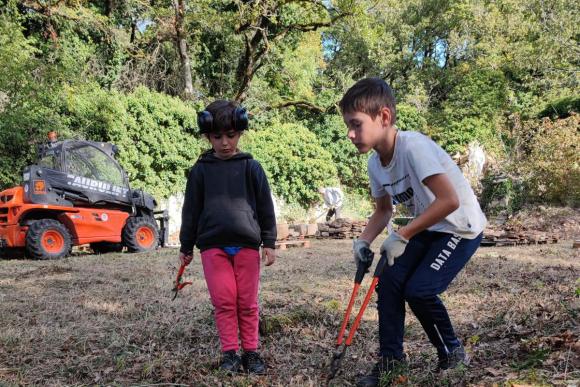
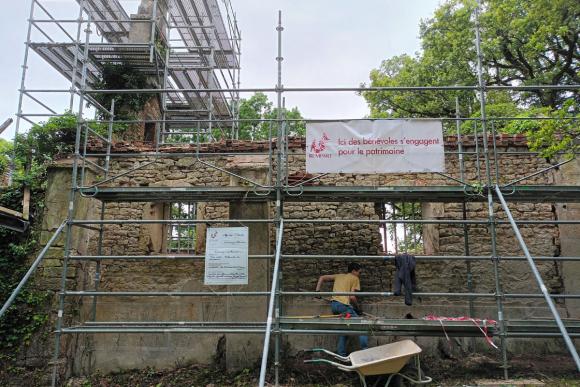
The association operates on three principles: safeguarding, restoring,
and protecting the public heritage of Sennecey-le-Grand.
The heritage of Sennecey-le-Grand includes churches, chapels, wash houses, fountains,
crosses, calvaries, wells, pond and remains of the old castle of the lords of Sennecey
(on whose site the Parish church was built in 1830).
SENNECEY-LE-GRAND
Historical Portrait of a Small Burgundian Town
Sennecey-le-Grand is located in southern Burgundy between Chalon-sur-Saône and Tournus.
Its heritage includes two churches, four chapels, six wash houses, three fountains, eleven crosses, a calvary, four wells, a pond and the remains of the old castle of the lords of Sennecey.
The Romanesque church of Saint-Julien, an emblematic site founded in the 11th century, served as the parish church until 1831, when it was abandoned. It was then replaced by a new church in the center of the town, on the site of the former Sennecey castle, which the municipality purchased in 1826.
Beyond its religious monuments, Sennecey-le-Grand preserves vestiges of daily life: stone wells, wash houses and public fountains, which were once essential places for sociability and hygiene.
ASSOCIATION
The association was founded in December 2015 to promote the Romanesque Church of Saint-Julien and to seek funding for the creation of liturgical furnishings. However, after several meetings with the municipality of Sennecey and the tourist office, it was decided that its mission would not be limited to promoting a single building, but would be extended to encompass the entire heritage of Sennecey.
The association's objective is:
- To contribute to the preservation, restoration, and protection of the public heritage of Sennecey-le-Grand.
- To promote any action aimed at raising awareness of this cultural heritage and its related elements:
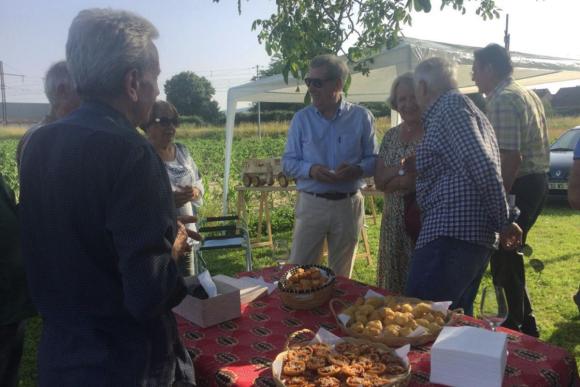
- By bringing it to life through a variety of events such as concerts, lectures, festivals, exhibitions, and other activities.
- By encouraging its discovery through the distribution of documents and the organization of guided visits.
- By seeking resources for its restoration and maintenance from both public and private organizations.
- By fostering, within the municipality and beyond, a collective effort to enhance and preserve the heritage
TEAM
In 2019, the association became Sennecey Patrimoine and is managed by an executive committee comprising a president, a vice-president, a treasurer, an assistant treasurer, a secretary, and an assistant secretary. It has a Board of Directors made up of at least eight members. Members also participate in the life of the association.
CONTACT
President : Mrs. Michelle Belin
Address : 8 rue de l'église Saint-julien 71240 – Sennecey-le-Grand
Phone : 06 89 91 20 86 (president)
Email: contact@sennecey-patrimoine.fr
Website: https://www.sennecey-patrimoine.fr/
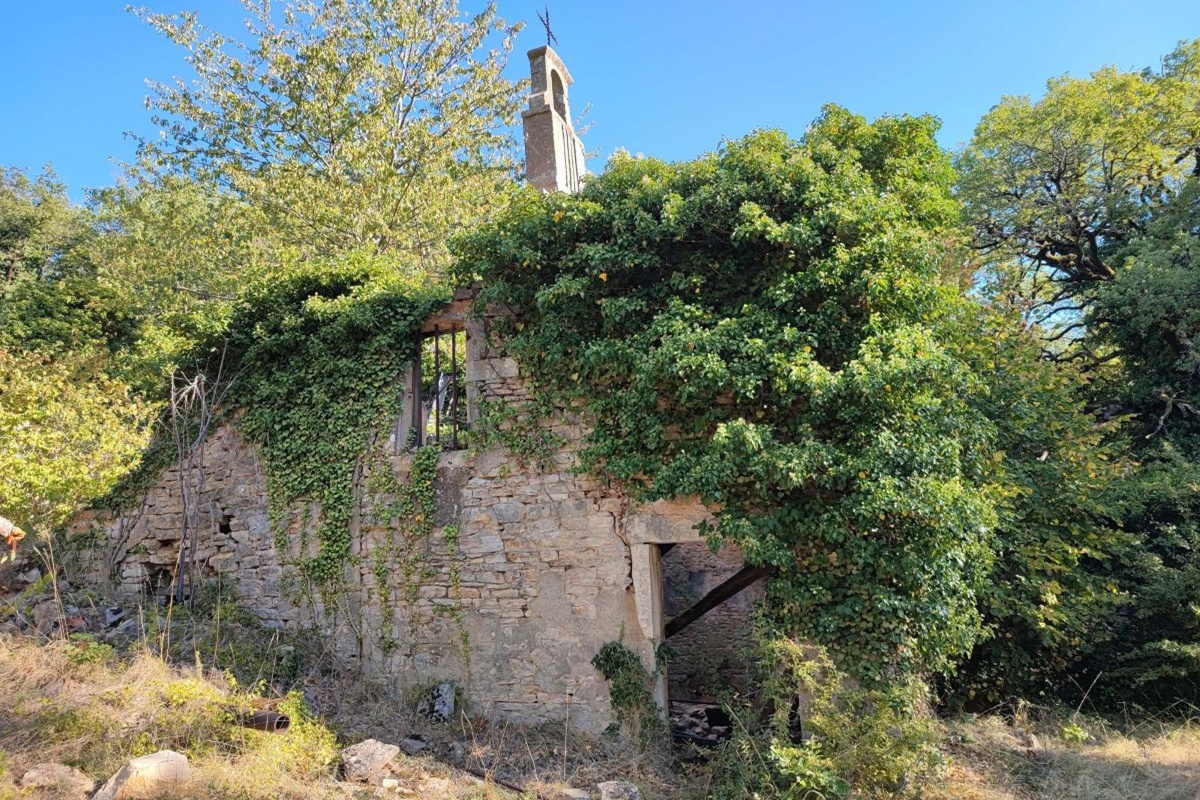
Hermitage
A hermitage is a place where a hermit lives in isolation, usually for religious retreat. The main purpose of a hermitage is for solitary spiritual life. A hermitage has key characteristics like:
- It is in a remote and quiet location.
- It has a simple architectural style.
- It is associated with prayer, solitude and religious life.
- Sometimes it has a small chapel attached.
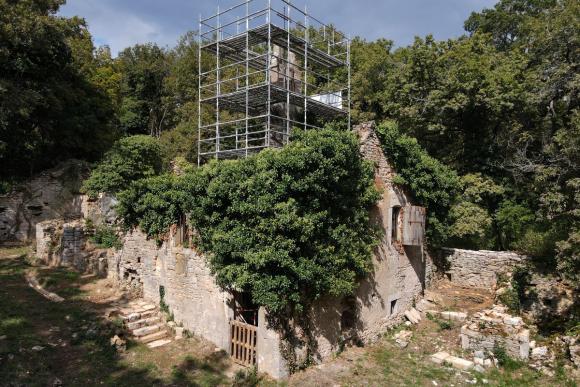
At least one hermitage is confirmed in Sennecey-le-Grand i.e. the Ermitage Saint-Claude.
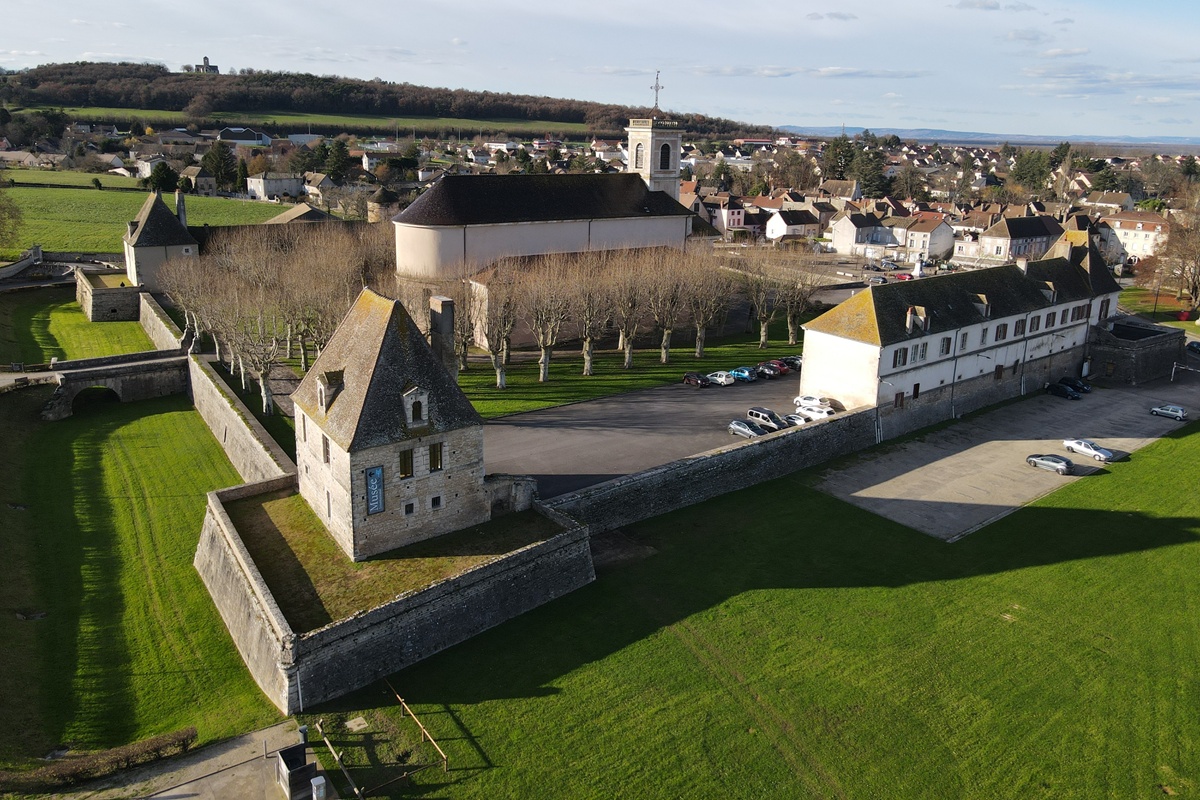
Castle
Until the early 19th century, there were three castles in the commune: the Sennecey-le-Grand Castle, the Sennecey Tower Castle, and the Ruffey Castle. Of the Sennecey-le-Grand Castle, only the outbuildings and the bastions built in the 16th century remain, which have been owned by the commune since 1826. The other two castles are privately owned and not open to the public. Their grounds may be open during Heritage Days.
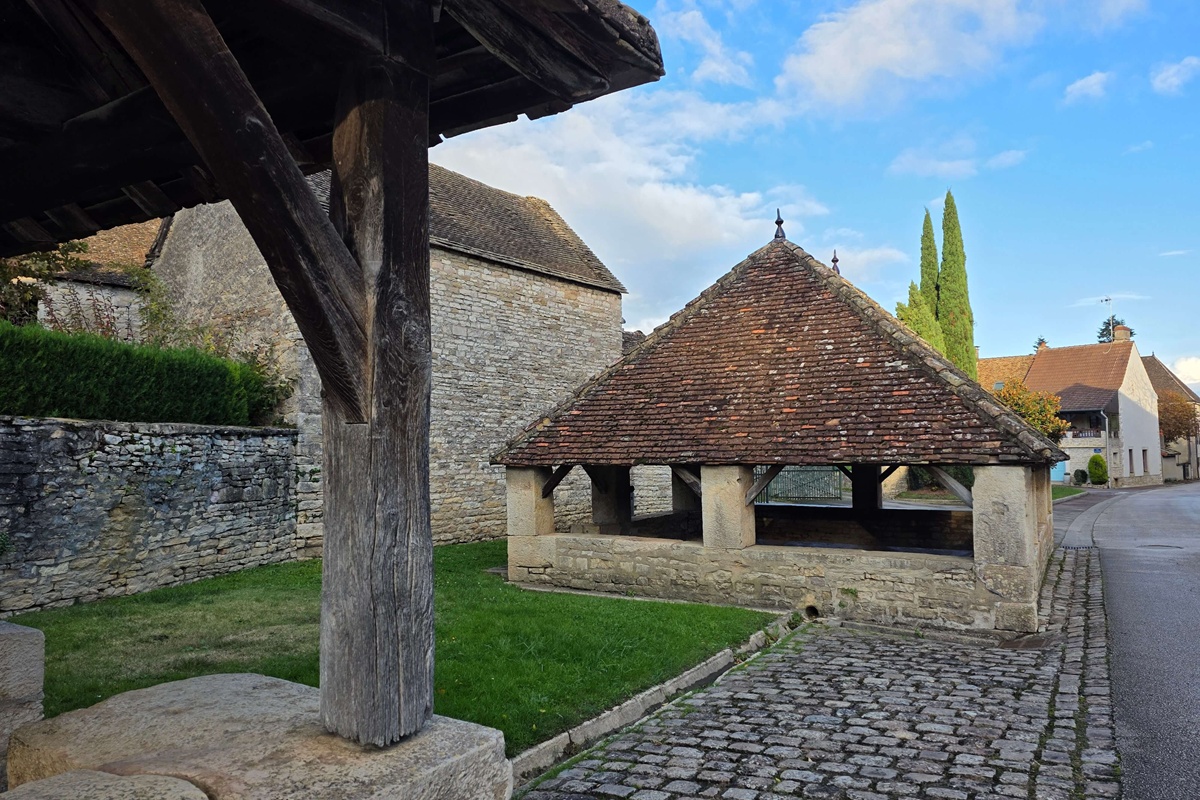
Washhouses & Fountain
The function of the washhouse was recognized as early as 1630, according to the historical dictionary of the French language. However, it was only at the end of the 18th century that washhouses appeared in response to a need for hygiene following the recurring epidemics that decimated the population.
Each hamlet in our commune has its washhouse, a quintessential social space where women gathered to do laundry and exchange all the latest village news.
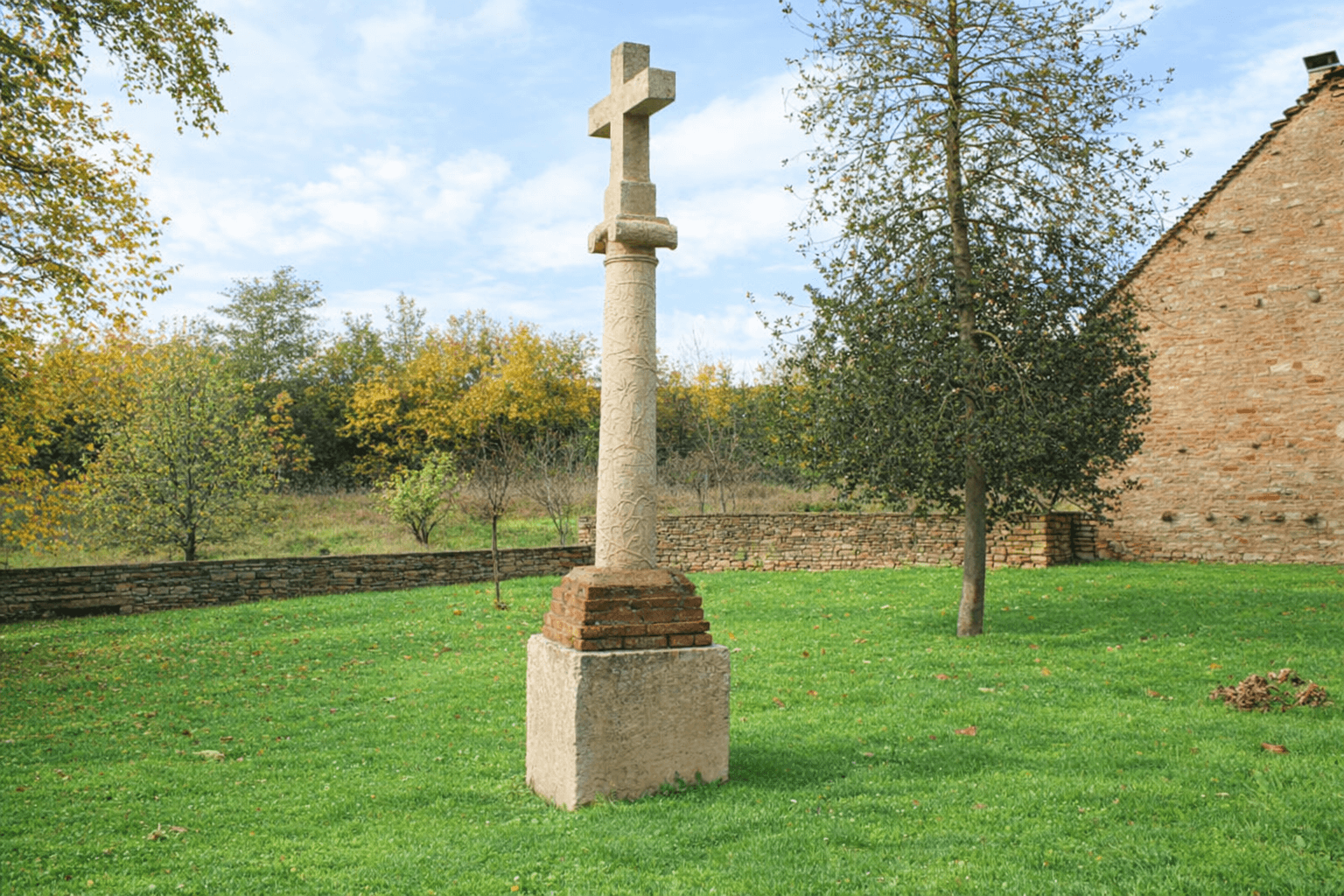
Crosses
From the 11th century onwards, crosses were erected at the entrances to towns and villages, at crossroads, in squares and in cemeteries. Crosses and calvaries, testifying to the impact of Christianization and the fervor of the Christian faith, gained considerable importance in the 15th and 16th centuries. The expansion continued until the revolution, a tragic period during which many of these monuments were destroyed. But in the 19th century, with the return of religious practice, new crosses were erected.
Sennecey has no fewer than 12 crosses or calvaries spread across various strategic locations in the town.
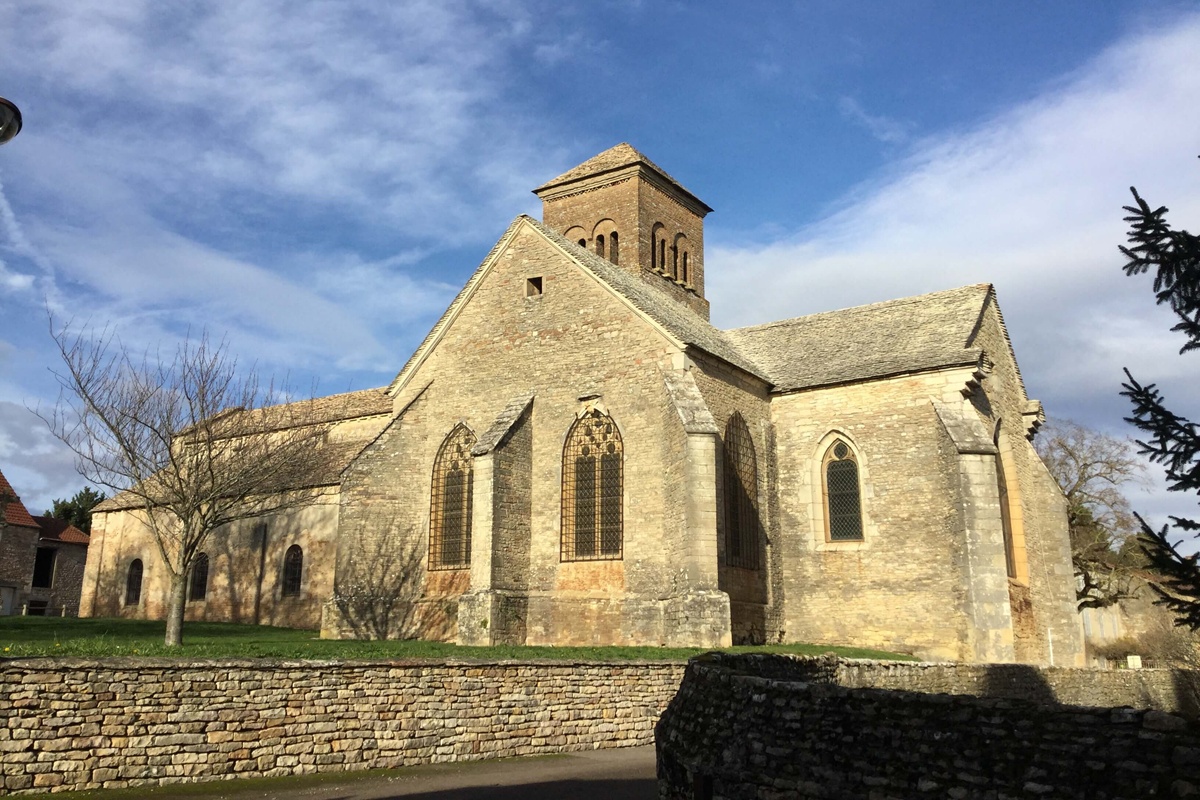
Churches & Chapels
As early as 910, William of Aquitaine founded Cluny Abbey at a pivotal moment in the religious and artistic history of the Western Middle Ages. The new Abbey promoted the reform of the Benedictine Rule and, in a short time, created a vast network of monastic dependencies and affiliated houses, thus becoming one of the richest and most powerful monasteries in the Christian world.
Raoul Glaber, a monk and chronicler of the first millennium, said of this period: "It was as if the world itself had shaken itself and, shedding its antiquity, had clothed itself on all sides in a white robe of churches".
NEWS
PARTNERS
SENNECEY-LE-GRAND TOWN HALL
HERITAGE FOUNDATION

SENNECEY-LE-GRAND TOURIST OFFICE

REMPART FEDERATION


SENNECEY-LE-GRAND TOWN HALL
HERITAGE FOUNDATION
SENNECEY-LE-GRAND TOURIST OFFICE
REMPART FEDERATION
JOIN US
President : Mrs. Michelle Belin
Address : 8 rue de l'église Saint-julien 71240 – Sennecey-le-Grand
Phone : 06 89 91 20 86 (president)
Email: contact@sennecey-patrimoine.fr
Website: https://www.sennecey-patrimoine.fr/
MEMBERSHIP
If you wish to send it by post, download the membership form using the button below and return it along with your check to the following address:
Association Sennecey Patrimoine
8 rue de l’Eglise Saint Julien
71240 SENNECEY-LE-GRAND
BECOME A VOLUNTEER
To become a volunteer, you must download the form, print it and send it completed with all your information to the following managenent address or by email to the following email address.
MANAGEMENT ADDRESS
Association Sennecey Patrimoine
8 rue de l’Eglise Saint Julien
71240 SENNECEY-LE-GRAND
E-MAIL ADDRESS
Mrs Michelle BELIN
President
Email : contact@sennecey-patrimoine.fr
Phone : 06 89 91 20 86
MAKE DONATION
The Sennecey Heritage Association, a partner of the Town Hall and the Tourist Office, is involved in numerous projects for the preservation and restoration of the town's cultural heritage.
PRESERVATION AND RESTORATION PROJECTS
1. Restoration of the statues in the Romanesque church of Saint-Julien.
2. Reconstruction of the chapel of the Saint-Claude Hermitage.
HOW TO HELP
You can help us carry out these projects by making a donation to the association. As it has been recognized as a public interest organization since 2020, all donations are eligible for a tax reduction of 66% of the amount given, up to a limit of 20% of taxable income. A tax receipt is automatically sent to each donor.
DONATION FORM
Download the donation form using the button below and return it completed along with your check to the following address:
Association Sennecey Patrimoine
8 rue de l’Eglise Saint Julien
71240 SENNECEY-LE-GRAND
USEFULL CONTACTS
Mrs Michelle BELIN
President
Email : contact@sennecey-patrimoine.fr
Phone : 06 89 91 20 86