
Old Mill Washhouse
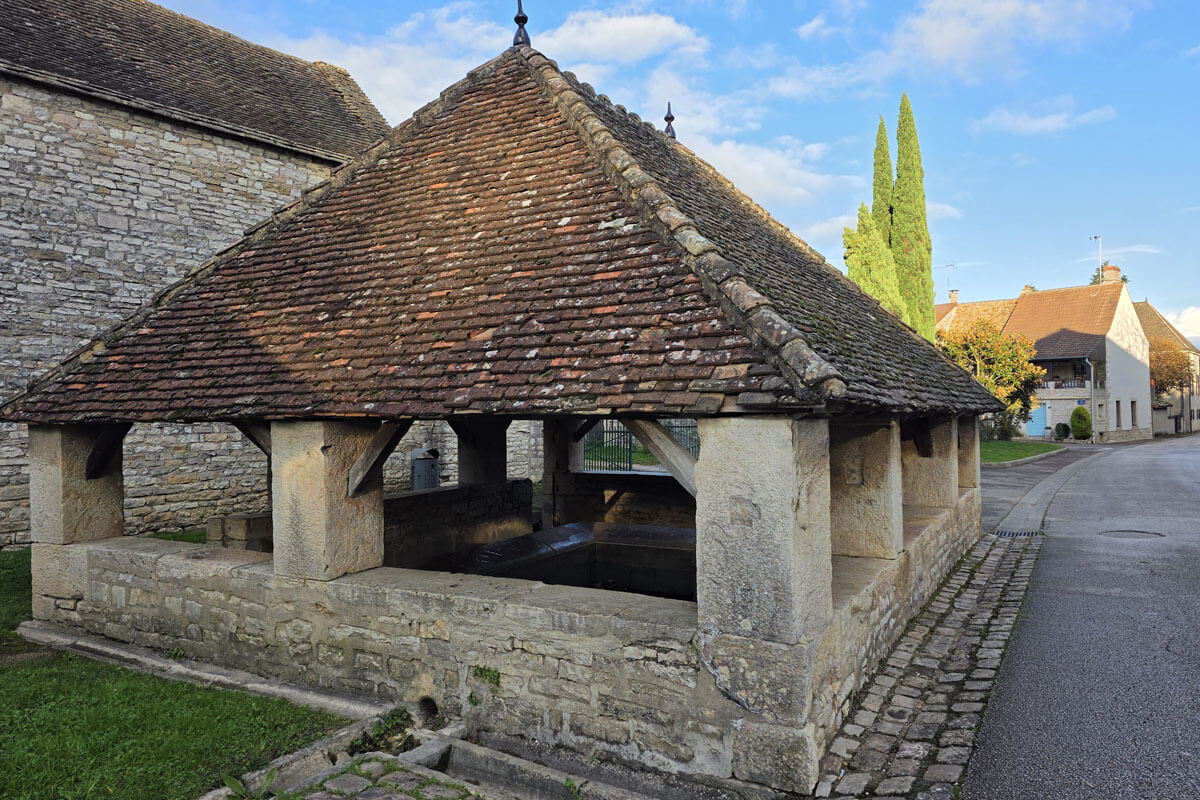
The Old Mill Washhouse, built in 1821 in the hamlet of Viel Moulin, is an open stone-and-wood lavoir with a central rectangular basin and a four-sided tiled roof. Once a communal laundry point, it reflects the village’s historic water-based life and remains a protected heritage structure.
The Old Mill Washhouse, constructed in 1821 and designed by architect Bernard Zolla, stands in the historic hamlet of Viel Moulin. This open-sided structure combines rubble-stone walls, wooden framing, and a four-sided roof covered with traditional flat tiles. At its center lies a large rectangular stone basin that once held water for communal washing, making the lavoir an essential social and practical meeting place. Its position in a mill-related hamlet highlights the area’s close connection to water and daily rural life.
Gallery of Old Mill Washhouse


Geographical location of Old Mill Washhouse
Old Mill Washhouse
The Old Mill Washhouse, built in 1821 in the hamlet of Viel Moulin, is an open stone-and-wood lavoir with a central rectangular basin and a four-sided tiled roof. Once a communal laundry point, it reflects the village’s historic water-based life and remains a protected heritage structure.
Town Hall Pump
Town Hall Pump is a late-19th-century cast-iron manual water pump placed beside the town hall. Once vital for daily water needs, it now serves as a charming heritage feature decorated with flowers in its stone basin.
St Julien Washhouse
Saint-Julien Washhouse is a 19th-century village washhouse built of local limestone, featuring a stone basin fed by a natural spring. Its flowing water system and traditional tiled roof made it an essential communal place for washing clothes and village social life.